Dvija Mehta
I am interested in the ethics of technological tool use — how AI systems and brain–computer interfaces become integrated into cognition, reshaping one’s mental structures and the doxastic authorities that drive action. My work sits at the intersection of philosophy of mind, neuro-ethics, and the emerging moral landscape of human–technology interaction.

Research
Areas
03 Domains
AI Ethics & Human–AI Interaction
Examining the normative dimensions of human integration with AI systems — with a particular focus on epistemic agency, belief offloading, and the consequences for autonomy and self-knowledge. When AI systems become embedded in how we form beliefs and make decisions, what are the ethical stakes for mental life and moral responsibility?
Neuro-Ethics & BCI Tool Use
The ethical implications of brain–computer interfaces, with a focus on the conditions of intentional action and implementational control in BCI-mediated actions. Central to this work is the Contemplation Conundrum — the problem of unintentional voluntary action in BCI tool use — and its consequences for cognitive liberty, mental privacy, and the neuro-ethics of tool use.
Philosophy of Mind & Consciousness
The nature of consciousness, subjective experience, and moral status — and what these concepts demand of us as cognitive artificial systems grow in sophistication. This work asks whether cognitive AI could ever be genuinely sentient or a candidate for moral patiency.
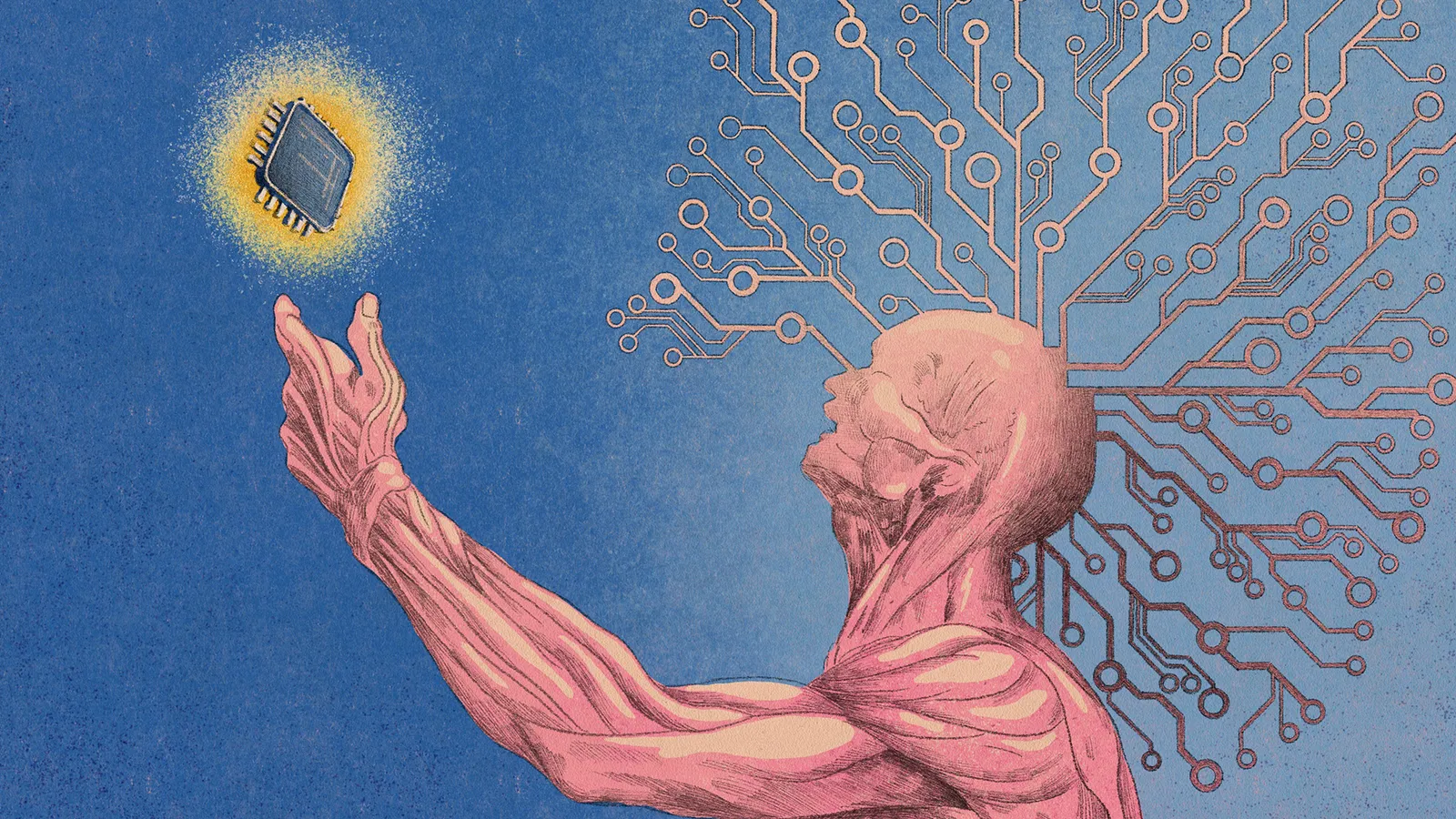
“When we merge mind and machine, the traditional borders of the self dissipate.”Dvija Mehta — BBC Future, 2024
Selected
Writing
All Publications →
BCI Tool Use & the Contemplation Conundrum: Mental Action, Agency & Control
“Under some theories of intentional action, certain BCI-mediated overt movements qualify as both voluntary and unintentional.”
Belief Offloading in Human-AI Interaction
“People's processes of forming and upholding beliefs are offloaded onto an AI system with downstream consequences on their behavior and the nature of their system of beliefs.”
I am a PhD Researcher in the Department of Industrial Engineering and Innovation Sciences at Eindhoven University of Technology (TU/e), where my work examines the ethics of human–AI interaction. A central question driving my research is that of epistemic agency — how humans integrate with AI systems epistemically and agentically, and what the consequences of this integration are for autonomy, self-knowledge, and mental life.
I hold an MPhil in the Ethics of AI, Data and Algorithms from the University of Cambridge, and an MSc in Philosophy from the University of Glasgow. From 2022 to 2023, I was a Visiting Scholar at the Leverhulme Centre for the Future of Intelligence, where I also co-convened the Kinds of Intelligence Reading Group alongside Dr Henry Shevlin from 2022–2024.
Alongside my academic work, I care deeply about building ethical neurotechnology aimed at closing the intention-action gap and maintaining cognitive liberty. I invite collaborators who share this interest to get in touch.